Memories of West Africa: The Collection of Anthropologist Junzo Kawada and Ceramic Artist Machiko Ogawa
Anthropologist Junzo Kawada (1934–2024) surveyed culture from the three vantage points of Europe, West Africa, and Japan in what he called “cultural triangulation.” While studying societies with still-vibrant traditions of oral transmission, he found that everyday tools provided invaluable insights into the worldview of their makers.
Ceramic artist Machiko Ogawa (1946–) lived in the West African savanna in the country of Burkina Faso for three and a half years in the 1970s, working as a research assistant with Kawada, her husband. After returning to Japan, she began to create her own unique vessels, earning critical acclaim both at home and abroad.
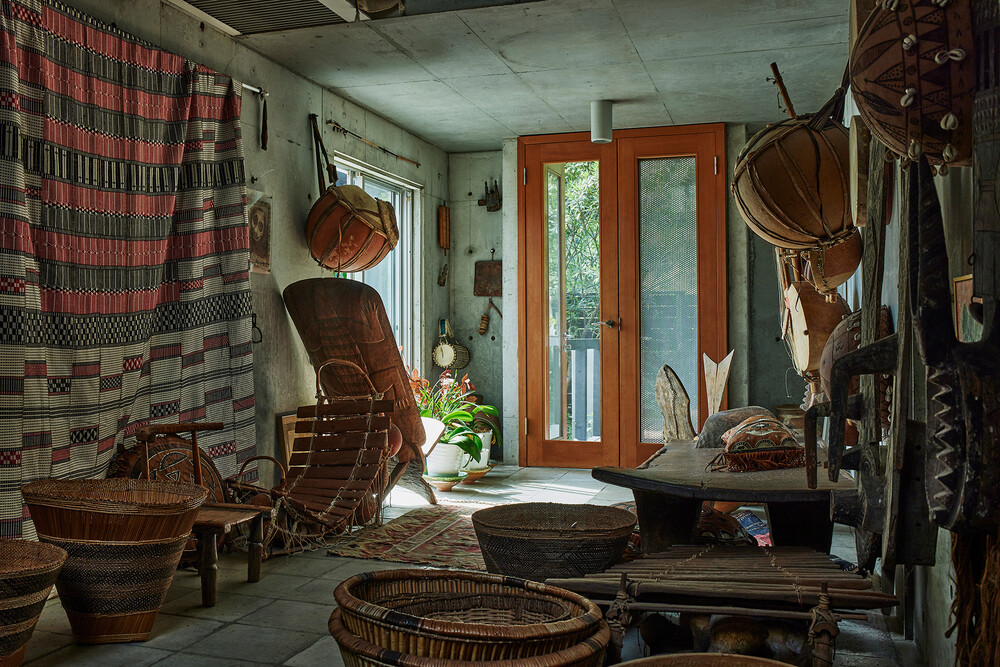
During their work in the field, Kawada and Ogawa collected a stunning variety of African craftworks and brought them back to Japan. However, these items have not been displayed in public since the exhibition of a limited selection some four decades ago. Meanwhile, additions to the collection since the 1970s have brought the total number of items to well over 600. This exhibition introduces some 350 of those works, selected in the course of a comprehensive survey of the collection.
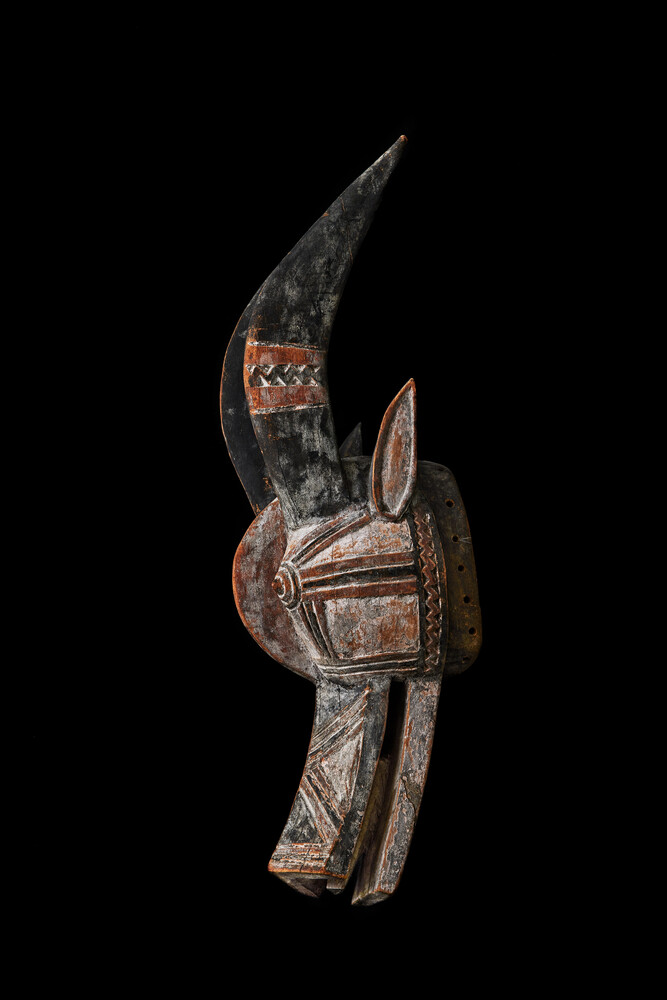
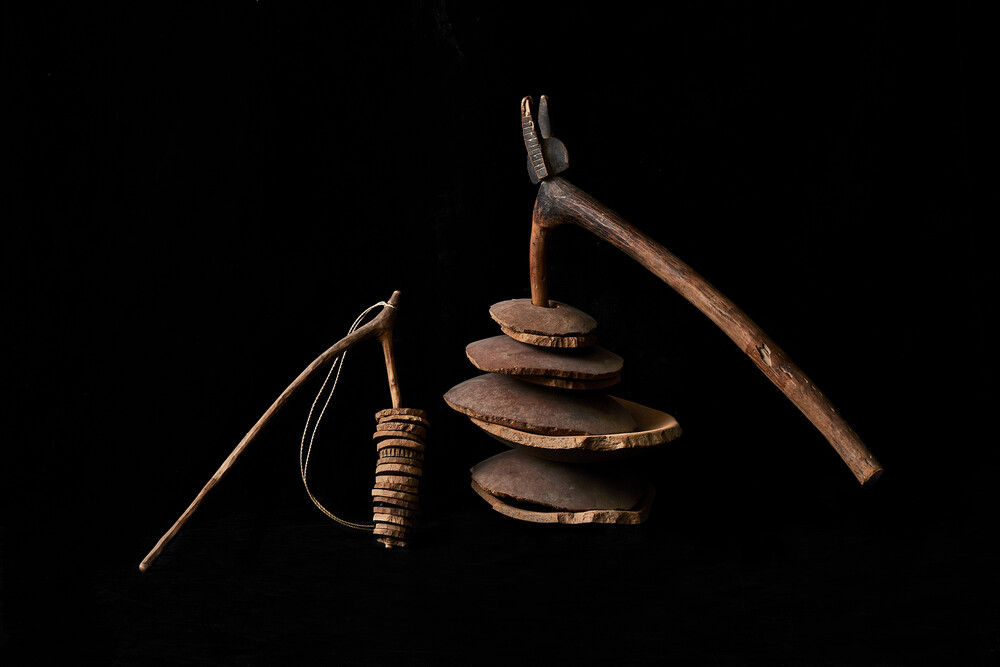
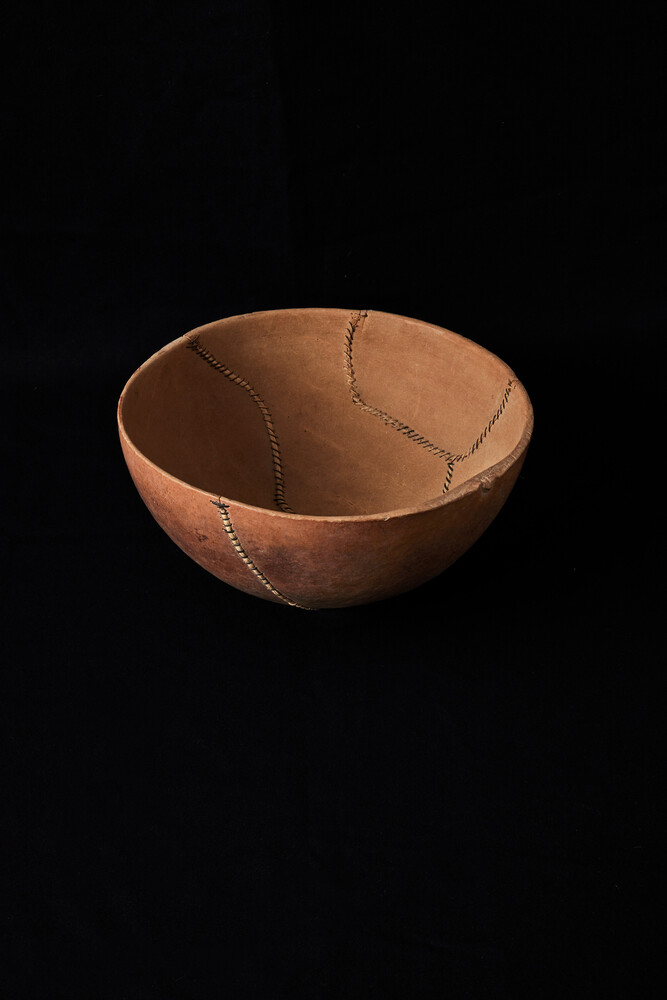
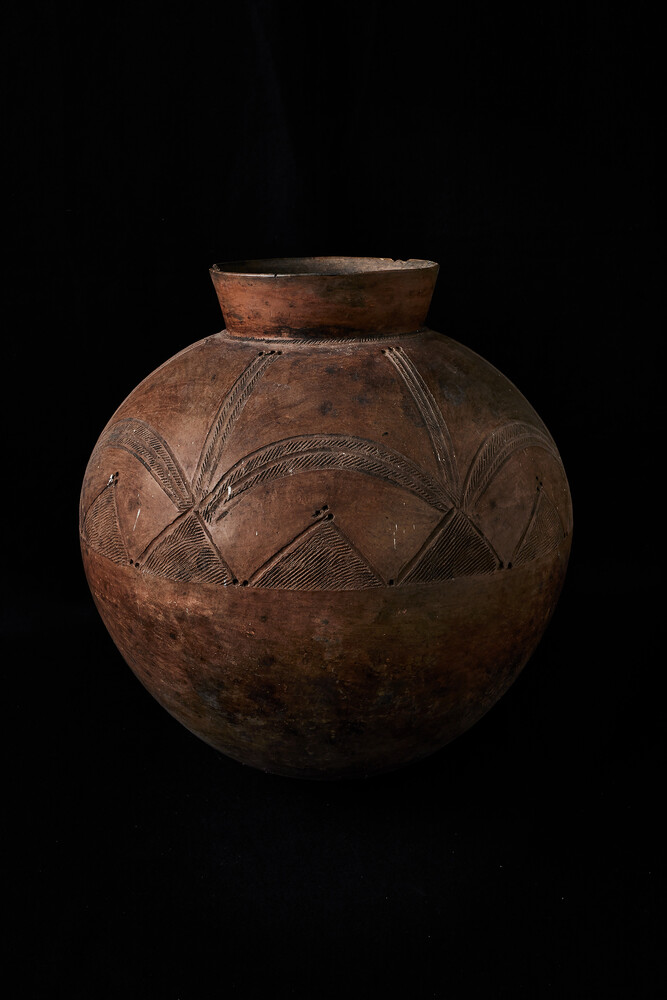
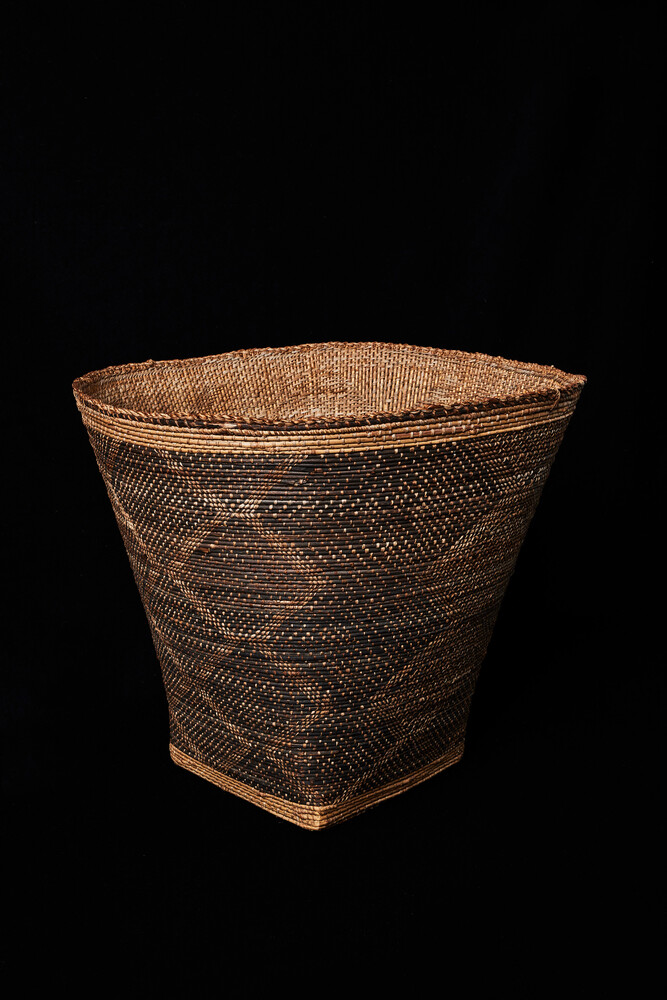
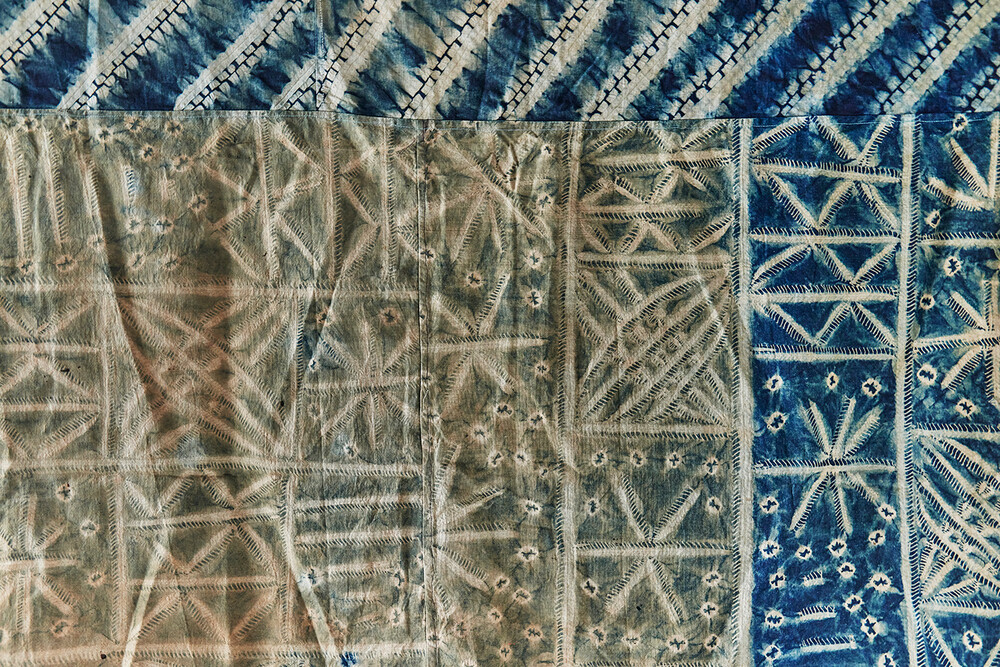
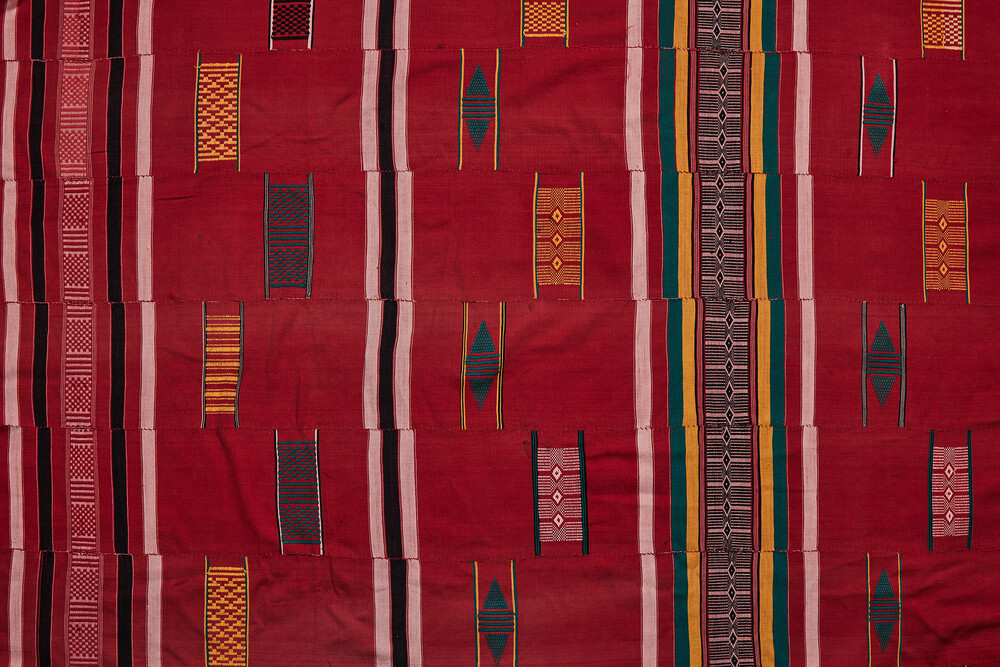
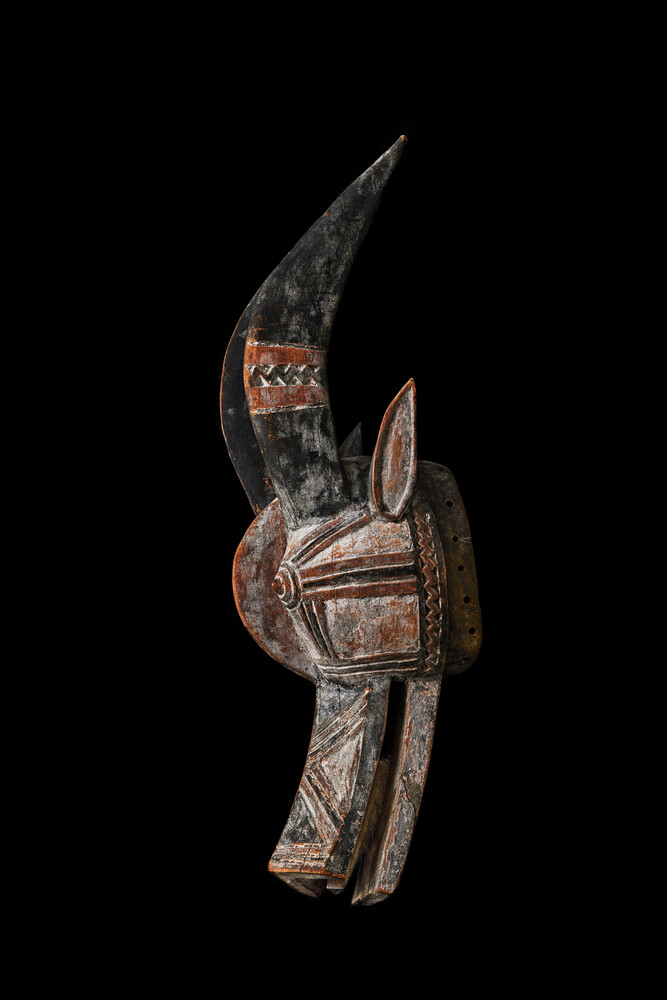
The story begins in the 1960s with Kawada’s first trip to Africa and the later travels of newlyweds Kawada and Ogawa through the North African countries of the Maghreb, followed by an introduction to the elaborate, dynamic creations of people living in the Sub-Saharan savanna, where the couple lived during the early 1970s. Featured works include bowls and ritual musical instruments made from calabash gourds; grass-woven baskets; fabrics dyed with indigo or mud; unglazed pottery; wood-carved masks and stools; and the drums that play a crucial role in oral transmission. Accompanying these craftworks are paintings by contemporary artists the two met during their African sojourns. The exhibition is designed with reference to the writings of Kawada, who was also a renowned essayist, in such books as Savanna no hakubutsu-shi [Natural history of the savanna].
We hope visitors will appreciate the unique splendor of this fascinating collection, assembled by one of Japan’s foremost anthropologists and one of its most remarkable artists.
Anthropologist Junzo Kawada (1934–2024) surveyed culture from the three vantage points of Europe, West Africa, and Japan in what he called “cultural triangulation.” While studying societies with still-vibrant traditions of oral transmission, he found that everyday tools provided invaluable insights into the worldview of their makers.
Ceramic artist Machiko Ogawa (1946–) lived in the West African savanna in the country of Burkina Faso for three and a half years in the 1970s, working as a research assistant with Kawada, her husband. After returning to Japan, she began to create her own unique vessels, earning critical acclaim both at home and abroad.
During their work in the field, Kawada and Ogawa collected a stunning variety of African craftworks and brought them back to Japan. However, these items have not been displayed in public since the exhibition of a limited selection some four decades ago. Meanwhile, additions to the collection since the 1970s have brought the total number of items to well over 600. This exhibition introduces some 350 of those works, selected in the course of a comprehensive survey of the collection.
The story begins in the 1960s with Kawada’s first trip to Africa and the later travels of newlyweds Kawada and Ogawa through the North African countries of the Maghreb, followed by an introduction to the elaborate, dynamic creations of people living in the Sub-Saharan savanna, where the couple lived during the early 1970s. Featured works include bowls and ritual musical instruments made from calabash gourds; grass-woven baskets; fabrics dyed with indigo or mud; unglazed pottery; wood-carved masks and stools; and the drums that play a crucial role in oral transmission. Accompanying these craftworks are paintings by contemporary artists the two met during their African sojourns. The exhibition is designed with reference to the writings of Kawada, who was also a renowned essayist, in such books as Savanna no hakubutsu-shi [Natural history of the savanna].
We hope visitors will appreciate the unique splendor of this fascinating collection, assembled by one of Japan’s foremost anthropologists and one of its most remarkable artists.